


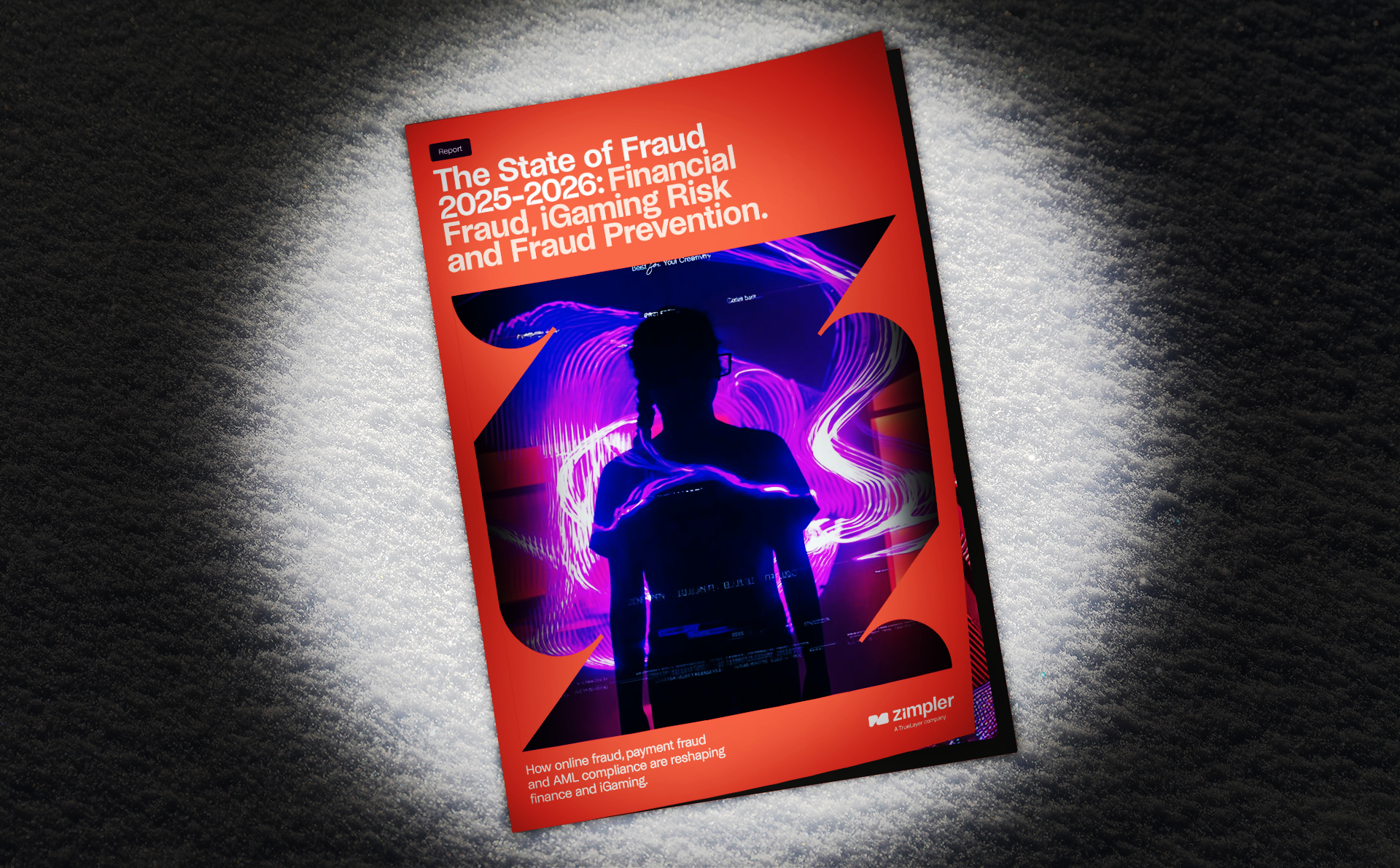
The rules of fraud have changed. AI-powered attacks, bonus abuse, identity fraud and tightening regulation are hitting iGaming operators harder than most. This report breaks down what’s happening, what’s coming and what to do about it.
Fraud isn’t just a risk problem. It’s a revenue problem.
Poor fraud controls don’t just open the door to bad actors. They kill conversion, inflate acquisition costs, trigger false declines and drain your support team. Global fraud losses across digital payments are projected to exceed $362 billion between 2023 and 2028 – and iGaming is squarely in the crosshairs.
This report maps where fraud is hitting hardest, how regulation is raising the stakes and what the sharpest operators are doing differently in 2026.
What’s inside
- The 6 biggest fraud trends reshaping finance and iGaming right now
- Why real-time payments are a double-edged sword How bonus abuse and multi-accounting are scaling through automation
- The true cost of fraud on operators – from false declines to chargeback exposure
- What PSD3, AMLA and the EU AI Act mean for your compliance setup
- A practical fraud prevention toolkit for 2026
- A Zimpler case study: how payment infrastructure reduces fraud exposure
Key insights from the report.
The regulatory pressure is real. And it’s building.
PSD3 and the Payment Services Regulation are tightening authentication requirements. AMLA – the new European Anti-Money Laundering Authority – is centralizing supervision across the EU. The AI Act is putting governance rules around automated risk scoring. Together, they signal one thing: the compliance bar is going up, and it’s going up fast.
Operators who treat fraud prevention as a business performance function – not just a risk box to tick – will be better positioned to convert, grow and stay compliant at the same time.